
Why being right isn’t always helpful - and how reframing beliefs drives performance
The image is Simon Webster, Grant Richards and myself going over the waterfall in NZ this week. I was over 'the ditch' this week working with the Finance New Zealand team and they invited me to join their team buidling activity.
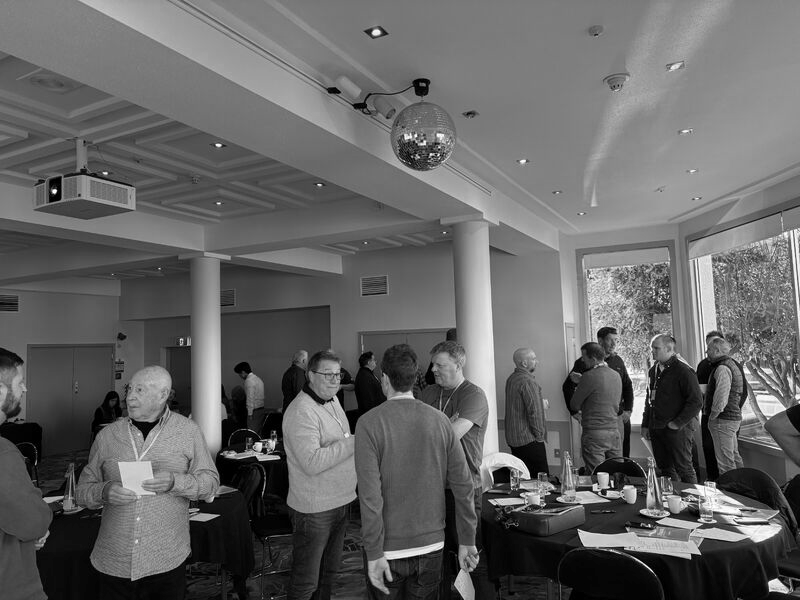
Before we hit the rapids, our session focused on unhelpful sales beliefs and how they can limit our performance. Take confidence, for example - if we don’t believe in our product or ourselves, how does that impact our sales? Or if we hold limiting beliefs about our customers or the market, how does that shape our results? The answer is clear: negatively.
Interestingly, many of these unhelpful beliefs are actually accurate assessments of the situation. But being correct doesn’t mean being helpful. High performance isn’t about ignoring reality, it’s about choosing perspectives that drive improvement. Reframing our thoughts doesn’t mean being delusional; it means shifting our mindset to focus on opportunities rather than limitations.
Right now, many people are navigating tough markets - whether selling, job hunting, or chasing new opportunities. If you want to improve your performance, start by identifying the beliefs that hold you back (even if they’re true) and reframe them in a way that moves you forward. It’s not easy, but it’s essential - because your next sales call, your next interview, or your next pitch could be the one, and you need to bring your best.
Being right doesn’t always improve performance - strange but true.
It was also really great to work with a few of my past GE colleagues Sarah Southee, Matt Fogarty, Andrew Partington and Simon Harding.
We flipped the raft, and I had a feeling it would happen even before we went over. I wanted to bail out, but in the end, I learned something valuable, I can survive going over a waterfall. Now, I’m confident I’ll handle it even better next time!