So you are at a sales conference, the panel starts and the moderator launches with the first question ...
"How do you ..."
and the panelists respond with something like:
"Ask good questions and listen"
"Focus on the relationship and build trust"
"Find out the need and pitch to that"
All true responses but none are particularly useful. The moderator is disappointed because they were hoping to uncover something valuable, half of audience is waiting for the panel to end and the other half is experiencing secondhand embarrassment as the session is a little bit like a best man speech failing to hit the mark at a wedding.
The problem with most panels isn't that the experts lack expertise. It's that they lack conscious access to much of their expertise; "We know more than we can tell" (Polanyi, 1966). The facilitator's role therefore is to help experts rediscover and verbalise the micro behaviours that drive sales success. The audience can then decide to adopt the micro skills and the panel will go well.
So for your next panel, if you would like it to deliver value focus on eliciting micro behaviours.
This is the intersection between psychology and sales effectiveness and I must admit it is my jam - nothing happens until the sale begins. 😀
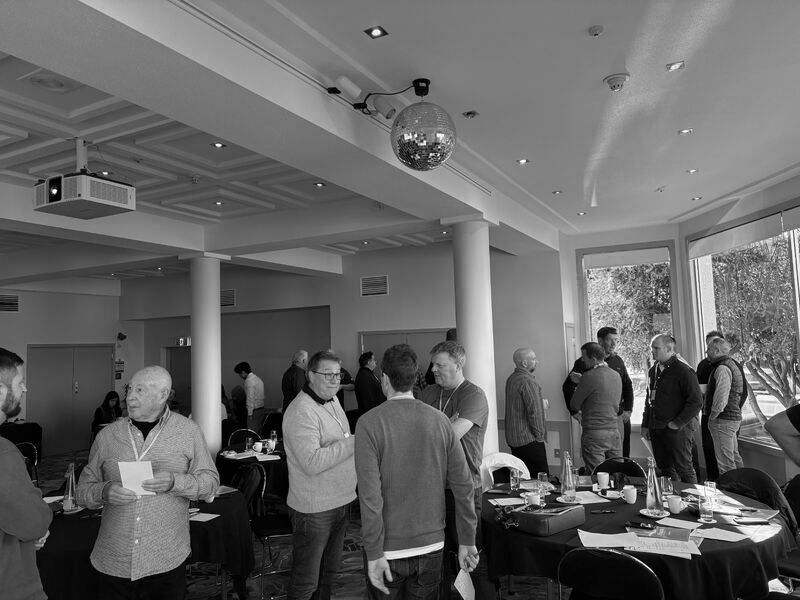
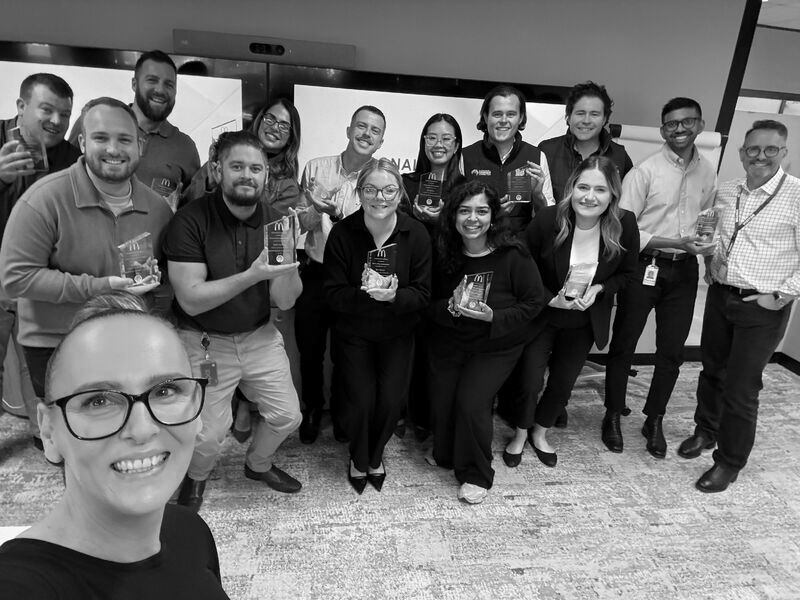
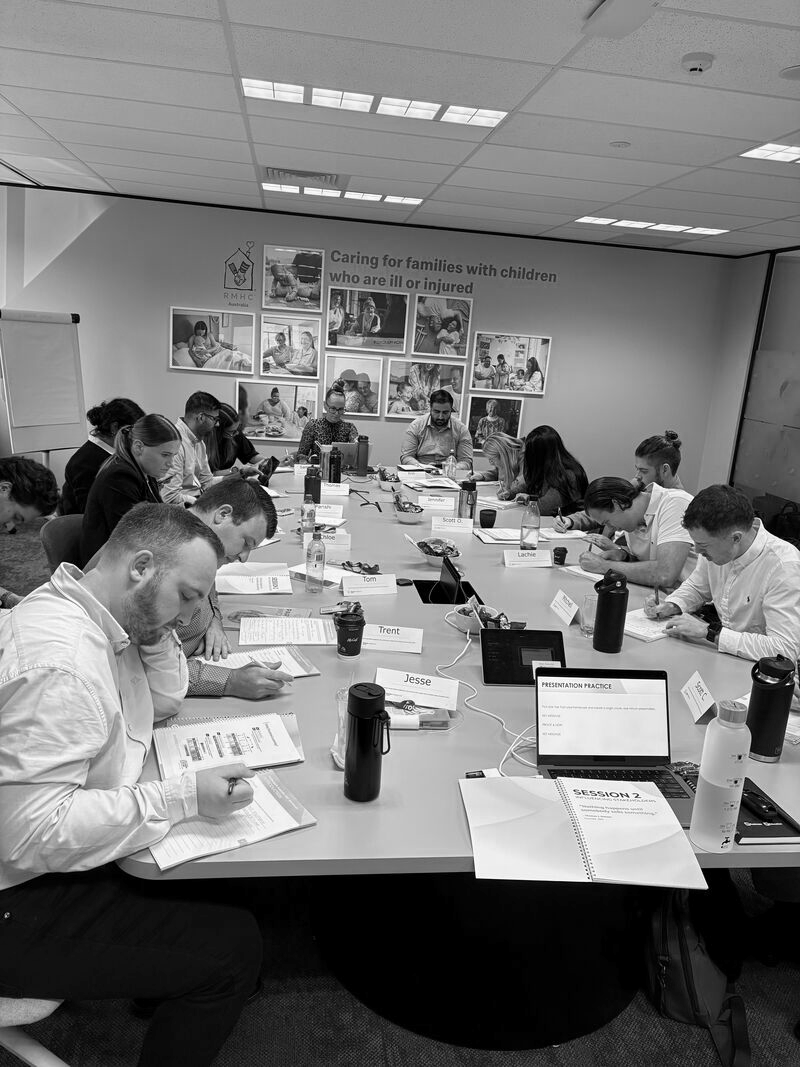
The images below are from the Finance New Zealand conference in Queenstown, where we spent two days using a range of techniques from sales speed dating to panels to help salespeople share best practice, or in psychological terms, to elicit tacit knowledge.
It was awesome as I do love sales people and it was also great to see some old GE colleagues: Simon Webster, Simon Bell, Grant Richards, Sarah Southee, Matt Fogarty, Simon Harding and Sam Bailey
Missed you Peter Van Shaik.